Take Your First Step
An associate degree points your future in so many directions — like a skilled career where you’ll earn a stable salary, an affordable path to a bachelor’s or a little of both.
Explore all opportunities available at Western New York Works colleges and the immediate and long-term benefits of an associate degree.
Request Information
What Is an Associate Degree?
An associate degree is a short-term undergraduate credential that typically requires two years of full-time study. Community and junior colleges, trade schools and select four-year colleges offer these 60-credit programs, which help students qualify for industry certifications or prepare for bachelor’s-level coursework.
Classes may be available during the day, at night, on weekends or online, and they often fit into students’ schedules better than traditional bachelor’s programs. Taking advantage of this flexibility, many working adults learn as they go, upskilling or changing careers without impacting their earnings. High school students, meanwhile, start careers sooner and save on post-graduation education by completing specific courses early.
For admission, schools emphasize a completed high school diploma or a General Educational Development (GED) diploma over essays and test scores. Individual programs, however, may specify GPA or prerequisite requirements for entry.
Associate Degrees by Industry
Curious about an industry but aren’t quite sure what you can do — or how you’ll get there? Discover the opportunities available in the Buffalo-Rochester region to begin your story.




Associate Degrees by College
Interested in an associate degree close to home? Browse programs available at all participating State University of New York (SUNY) schools.

WWhat Are the Different Types of Associate Degrees?
While all associate degrees follow a similar format, the course content and end goal vary significantly. Understand how each degree type influences your learning and job search.
Associate of Arts (AA)
Focusing on the liberal arts and humanities strengthens how you communicate, think and solve problems. Many AA programs help students fulfill general education and introductory requirements for a bachelor’s degree in a similar discipline.
Associate Degree in Nursing (ADN)
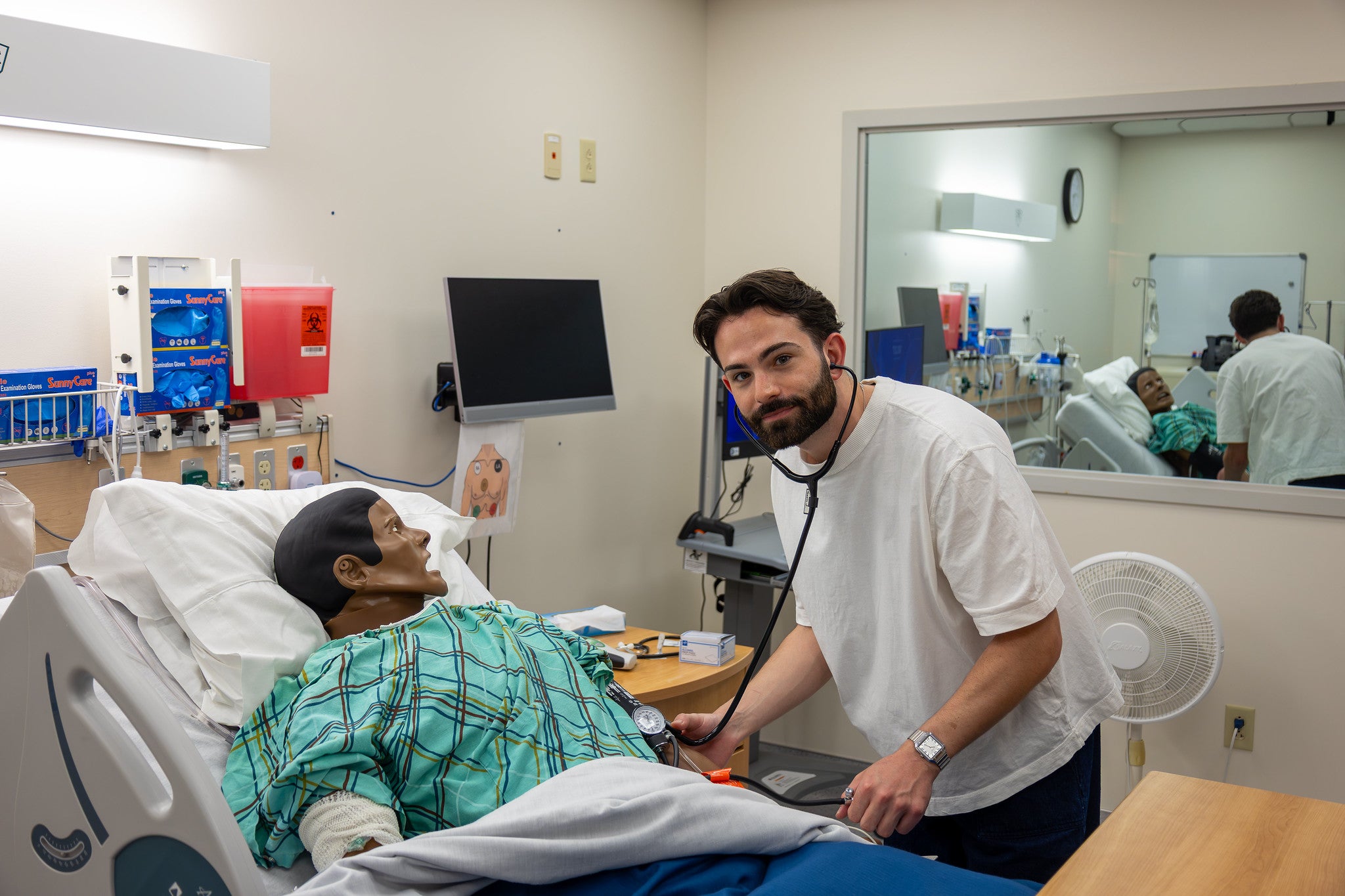
This introductory degree blends academic and clinical learning to qualify students for the NCLEX-RN exam and a career as a licensed registered nurse (RN). It’s also a buildable credential: Many students later return to complete Bachelor of Science in Nursing (BSN) coursework to increase their earnings.
What Are the Benefits of an Associate Degree?
Employers prioritize skills and experience. Discover how an associate degree won’t just get you in the door but will also help build your future from the ground up.
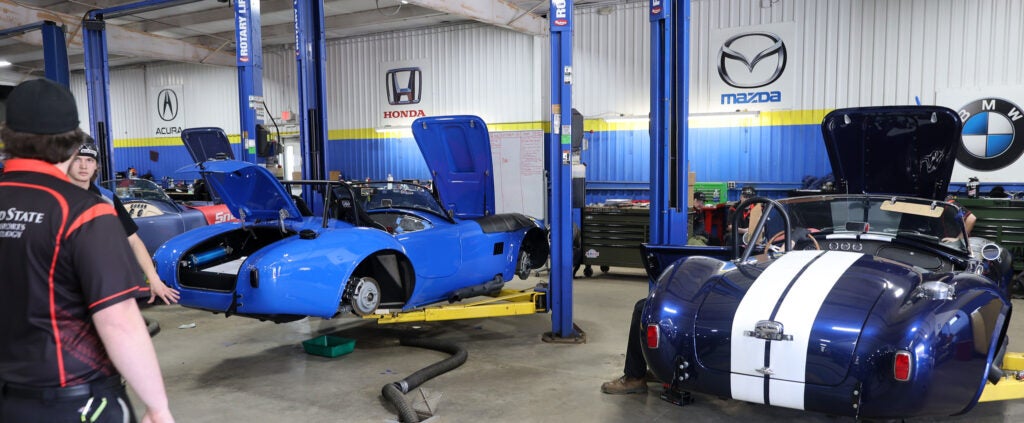
Affordable Career Training
In 2025, the College Board reported that the average annual cost of an associate degree was $4,150, compared to $11,950 for a bachelor’s program at an in-state public college and $45,000 at a private institution.
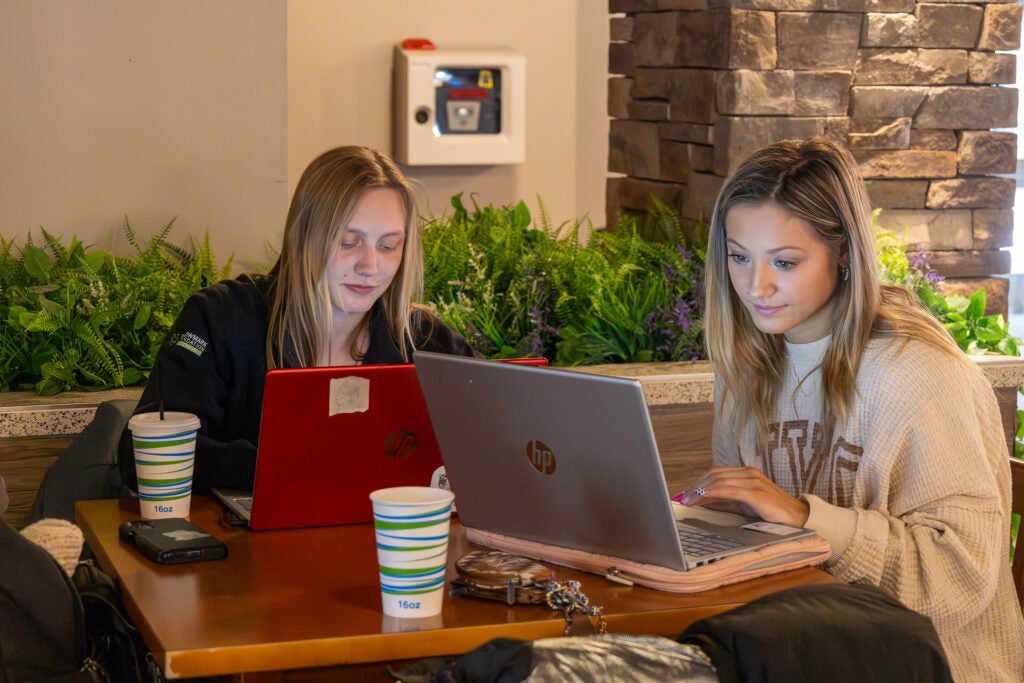
Less Time
Two years is all it takes to kick-start your career. It’s even less for dual enrollment and high school career and technical education (CTE) programs.
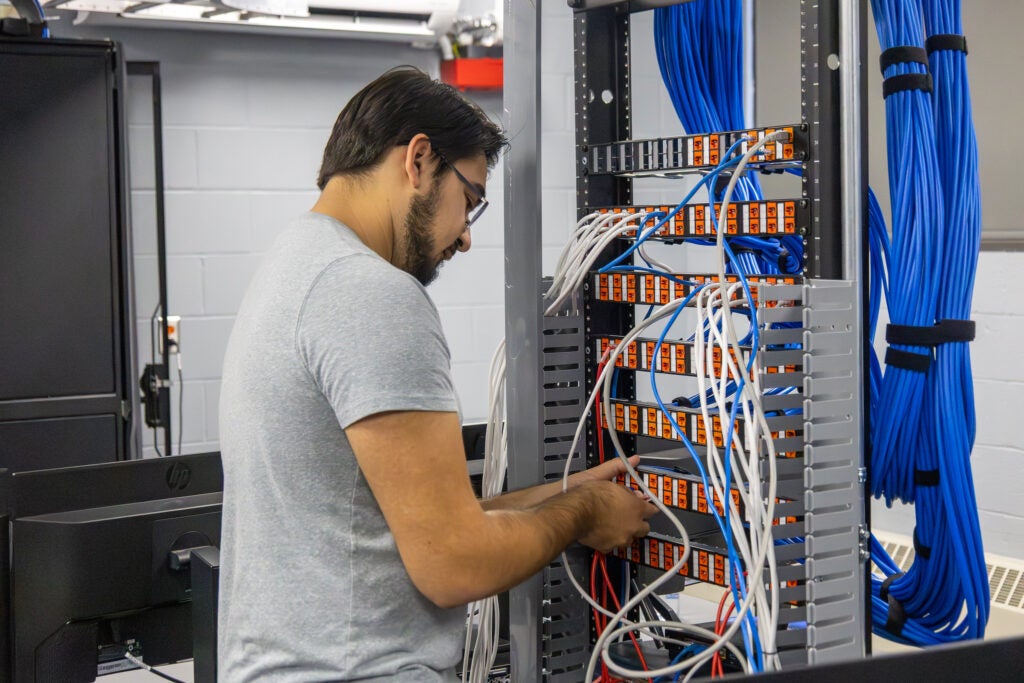
More Flexibility
Online, evening and weekend classes make it easy to learn around your life. In 2025, the Bureau of Labor Statistics found that 78.1% of associate degree recipients worked while in school.
Qualify for Financial Aiding
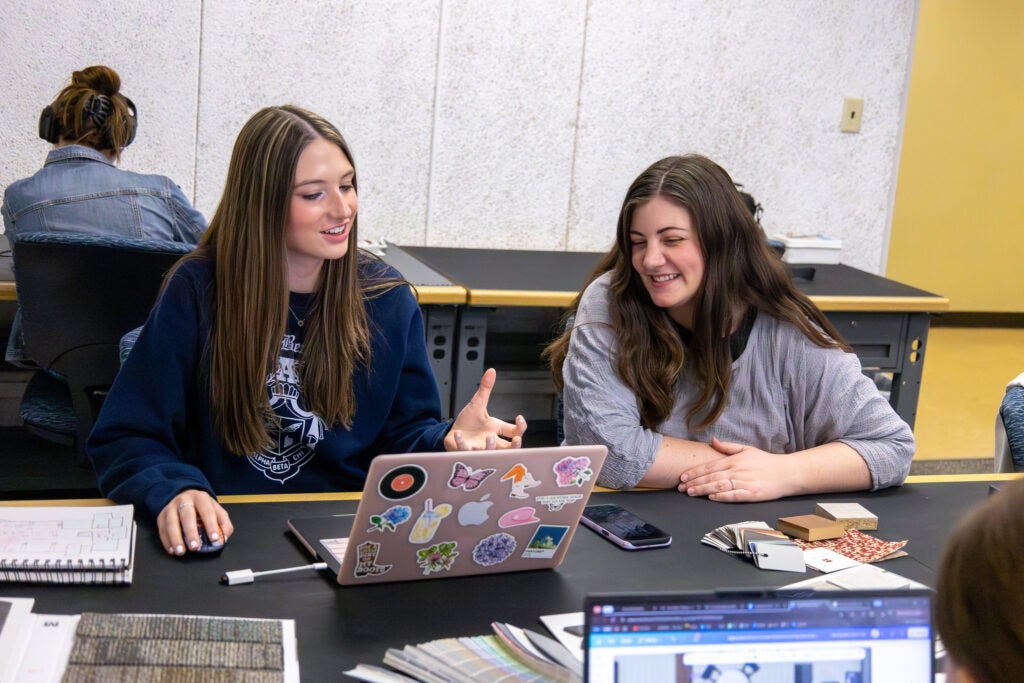
An advantage over private bootcamps, enrolling in an associate degree program makes students eligible for scholarships, grants, loans and other federal and state awards. Just complete the Free Application for Federal Student Aid (FAFSA®) to qualify.
A Transferable Degree
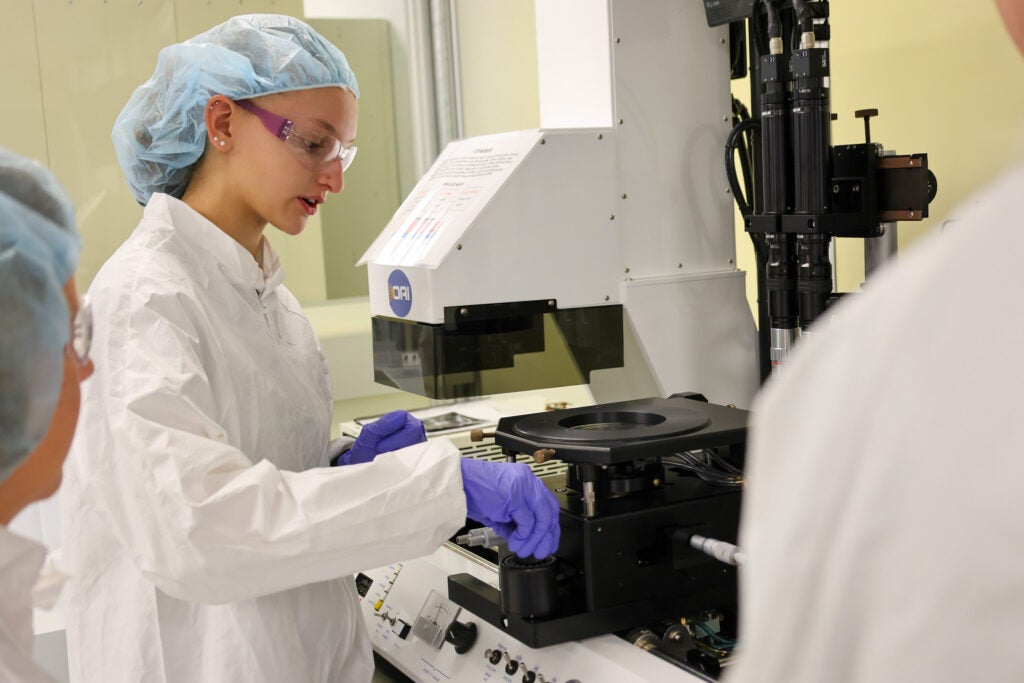
Transfer agreements let you continue what you started — with no repeated courses or setbacks. Get a career-making skill and then build on it to advance in your field.
Student Perspectives
What Can You Do With an Associate Degree?
Here’s how students across our SUNY schools use their associate degrees:
Begin Your Career
An associate degree is the entry point for careers in healthcare, web development, computer support, auto repair and the trades.
Transfer Into a Bachelor’s Program
Established 2+2 transfer programs can save you anywhere from $30,000 to $80,000 over the course of your studies. Those savings include a lower tuition rate and no room and board for two years if you live at home.
Increase Your Salary
BLS data shows that associate degree holders earn $1,099 per week, compared with $930 for high school graduates.
Jump-Start Your Journey
Whenever you’re ready, there’s a Western New York Works school ready to welcome you.