
Your Future Starts Now
Taking college courses as a high school student gets you closer to the future you’re already making for yourself. Train for a trade. Try something new. Get through general education requirements. You can do all three in Western New York Works’ dual enrollment courses.
All participating State University of New York (SUNY) schools open their doors to interested area high schoolers. Discover why a growing number of students are choosing this pathway.
Request Information
What Is Dual Enrollment?

Dual enrollment partnerships allow high school students to take college classes starting in their junior or senior year. Instruction is provided through an approved course at the high school, on the college campus or online, and is designed to fulfill both high school and college requirements.
While some states differentiate dual enrollment and dual credit programs, New York State treats them as one and the same. Opportunities are available through school districts, charter schools and BOCES institutions that have established agreements with two- and four-year colleges. Both traditional high schoolers and homeschooled students are welcome to enroll.
As college costs rise and employers seek skilled, take-charge hires, lower tuition rates and transferable credits make dual enrollment an attractive pathway. Among its growing list of advantages, participants often enter the workforce sooner while spending less on education overall.
Is Dual Enrollment Worth It?
Students participated in dual enrollment programs in 2023–24
Of dual enrollment courses are taken at community colleges
More likely to receive college scholarships

WNY Works Programs and Participating High Schools
Western New York Works schools extend multiple credit- and experience-building opportunities to local high school students. Explore our programs, available courses and how to participate.
How Does Dual Enrollment Benefit You?
As more schools strike up dual enrollment partnerships, more students are embracing the opportunity to learn a new skill or dive deeper into an academic subject.

A Preview of College
Get a sense of the pace and rigor of college academics, challenging yourself while preparing for your next chapter.
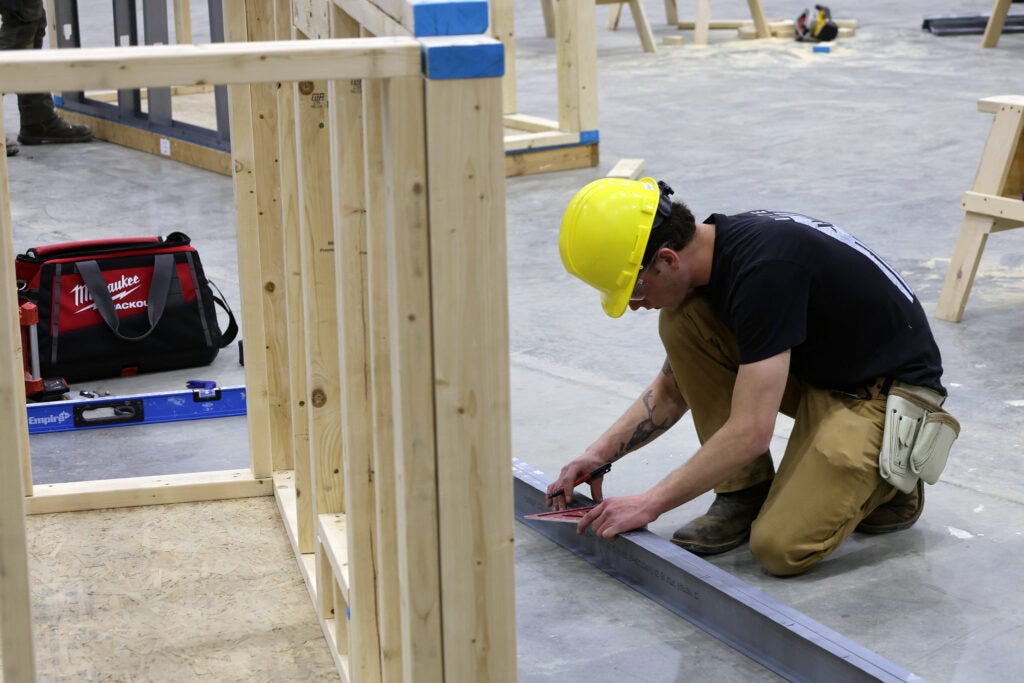
Dual Credits
Dual enrollment classes count toward your high school diploma and transfer to many two- and four-year colleges.
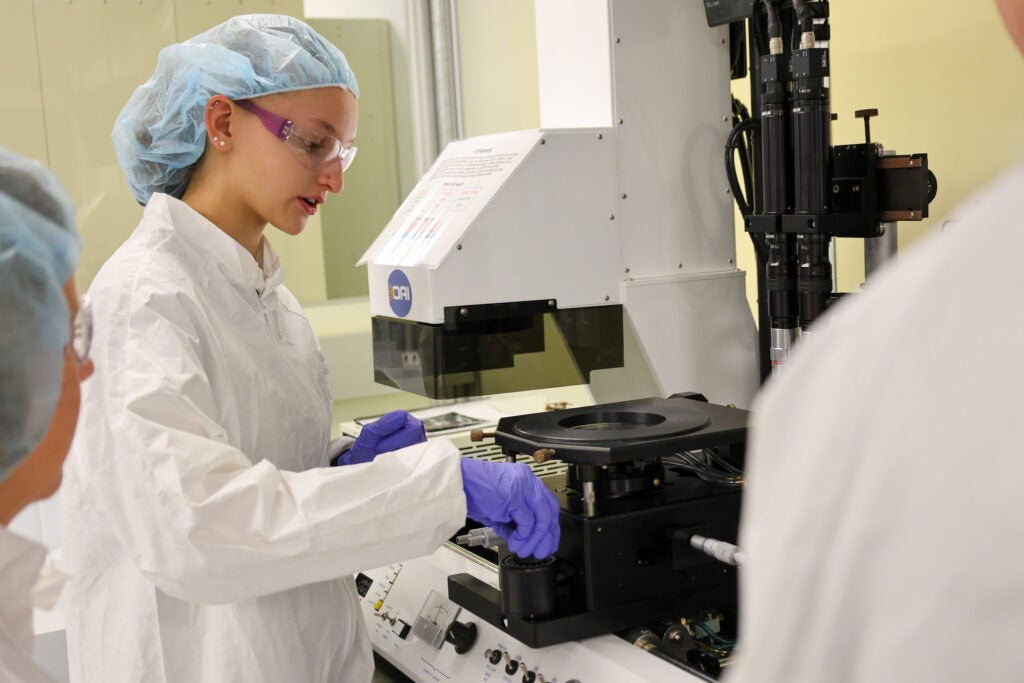
Reduced Tuition
Through dual enrollment agreements, students attend college classes at a discounted tuition rate, helping them save on higher education costs.
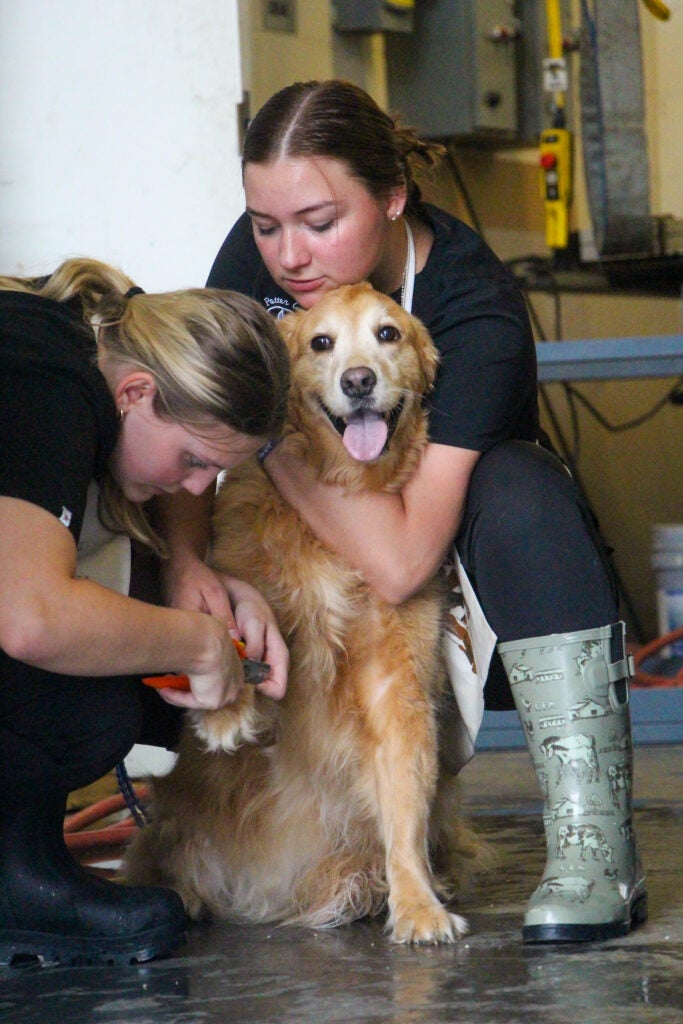
Greater Success
Research has shown that dual enrollment students are more likely to attend college, receive scholarships and grants and finish on time.
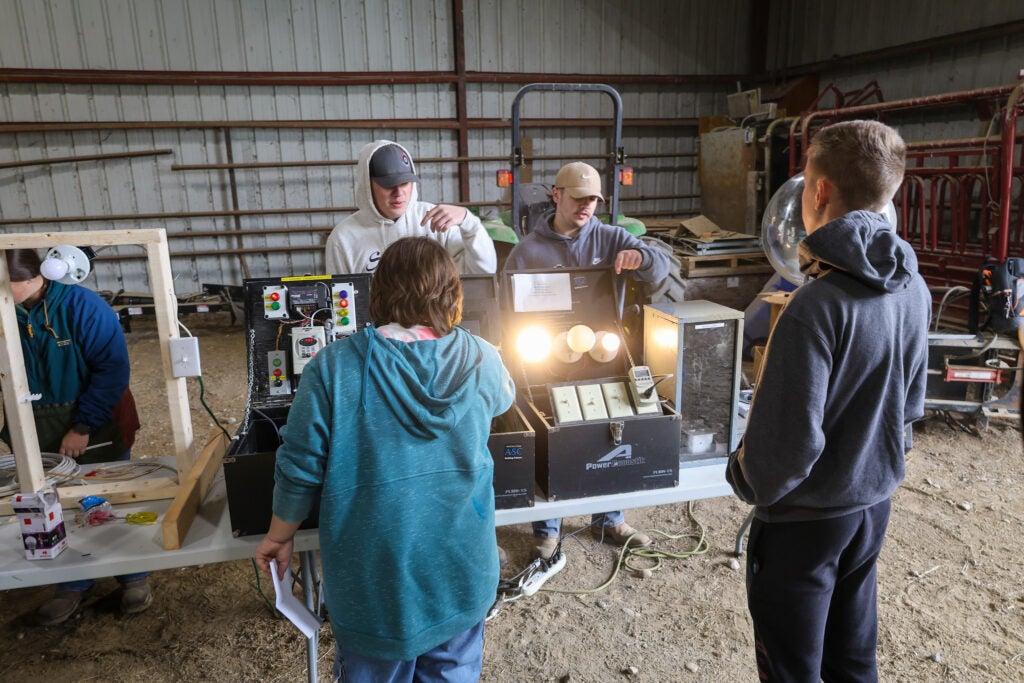
Multiple Pathways
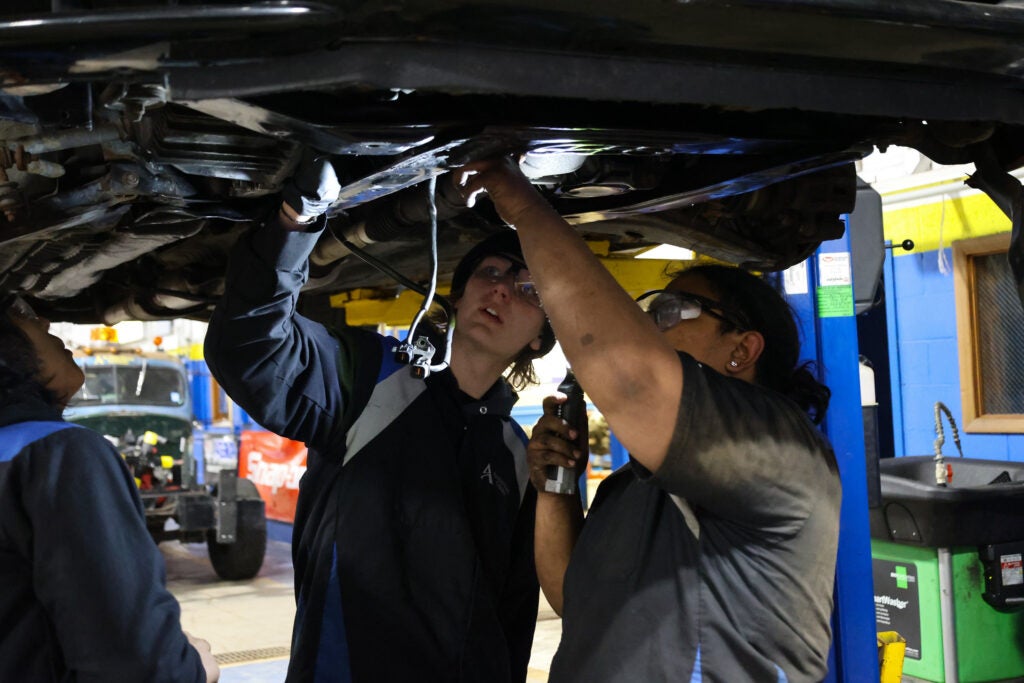
Participating students find a variety of pathways before them. They might explore a new subject area, get an early start on their college major or learn a trade.
Begin Your Future Sooner
You might finish college in 3.5 years or complete career training in a year or less. However you picture your future, dual enrollment accelerates your path there.
What Should You Expect?
Here’s how you can sign up for dual enrollment courses, along with some scheduling and time considerations.
Completing an Application
Work with your high school guidance counselor to explore courses and submit a dual enrollment application. You’ll also need recommendations, strong grades and parental approval to participate.
Placement Exams
Some colleges may require you to pass a placement exam before you officially enroll in a requested course.
Workload and Time Commitments
Commuting to a local college and completing longer, more demanding assignments can cut into your extracurriculars. Rather than starting with a full semester, begin with a single dual enrollment course to get a sense of the time and effort involved.
Jump-Start Your Journey
Whenever you’re ready, there’s a Western New York Works school ready to welcome you.